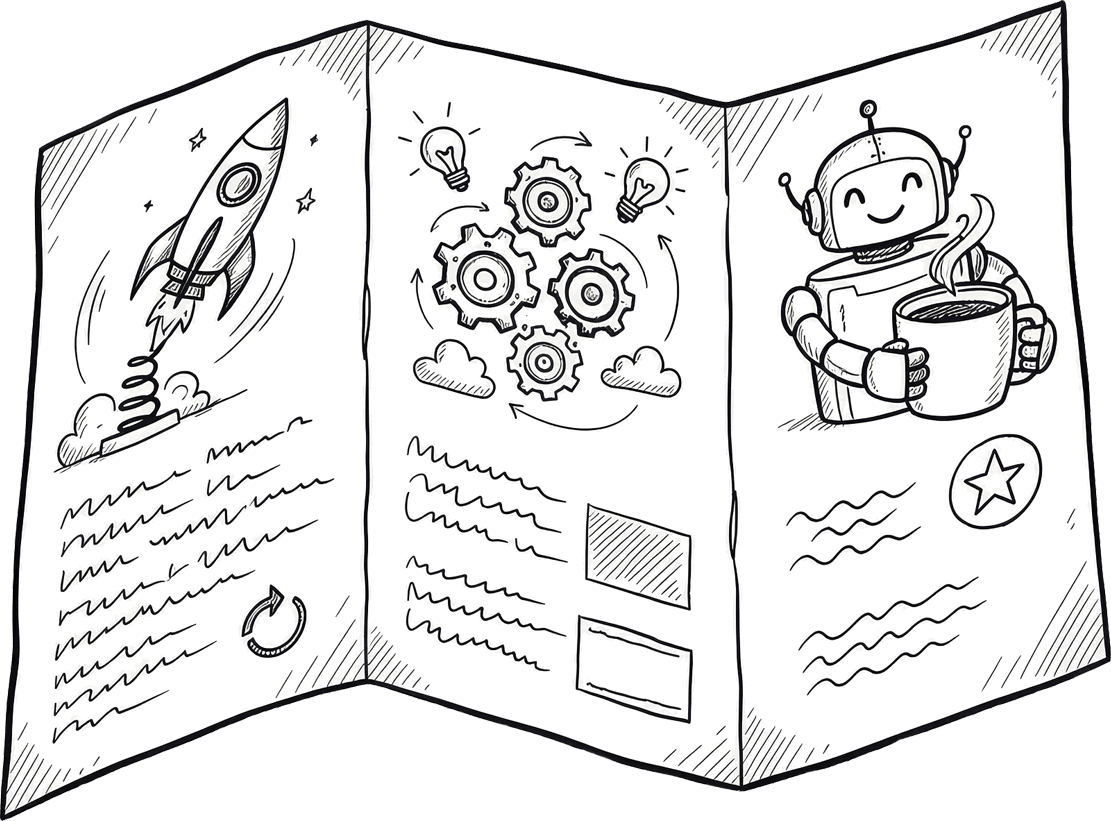
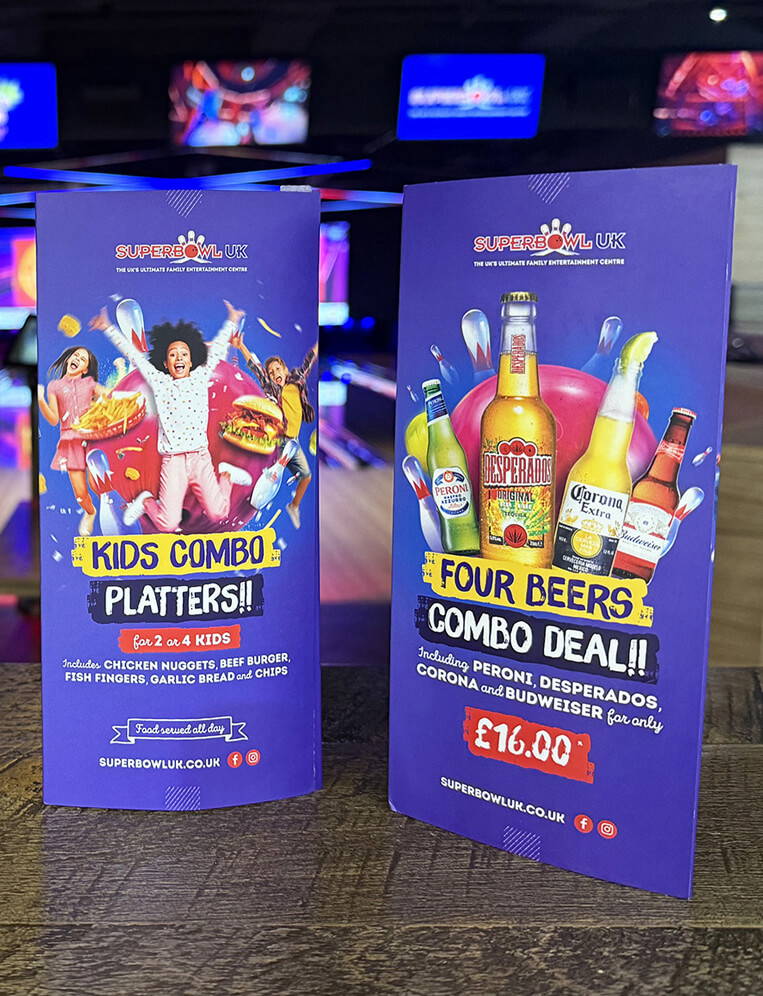
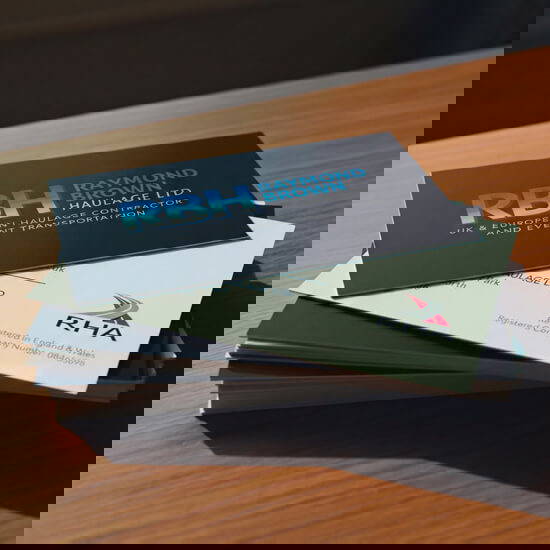
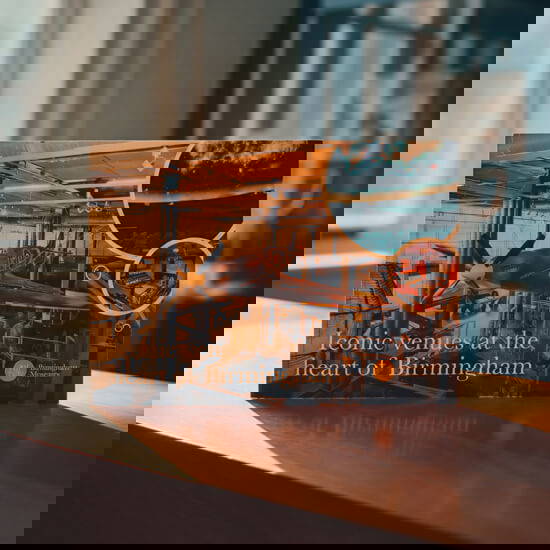
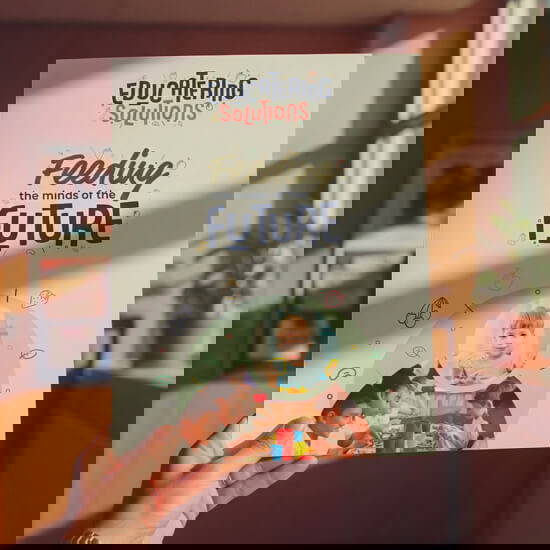
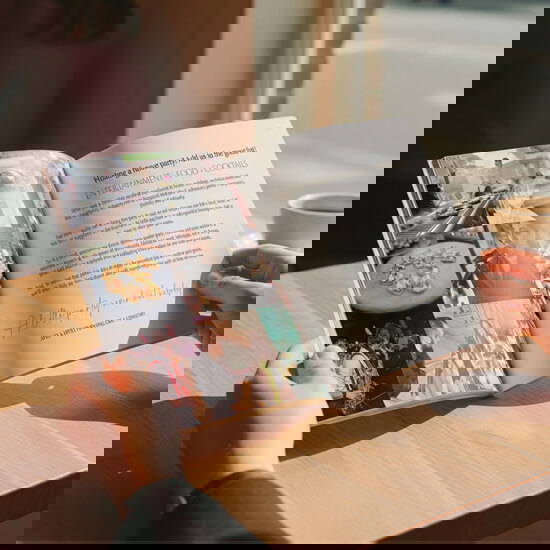
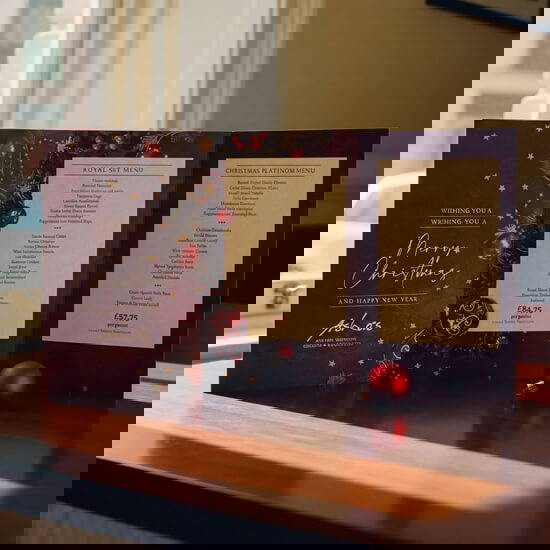
Printed materials remain a powerful and effective marketing tool for businesses, even in an increasingly digital world. One of their key advantages is tangibility: brochures, flyers, business cards, and catalogs give customers something they can physically hold, which often makes a stronger and more memorable impression than a fleeting online ad. Because printed materials engage the senses - especially touch and sight—they tend to feel more credible and trustworthy, helping businesses establish professionalism and brand legitimacy.
Another benefit of printed marketing is its ability to cut through digital noise. Consumers are constantly bombarded with emails, social media ads, and notifications, many of which are quickly ignored or forgotten. Printed materials, by contrast, are less intrusive and often receive more focused attention. A well-designed flyer or postcard can be read at the recipient’s pace, kept for later reference, or shared with others, extending its lifespan and impact far beyond the initial interaction.
Printed materials also offer strong targeting and customisation opportunities. Businesses can tailor designs, messaging, and distribution methods to specific audiences, locations, or events, making campaigns more personal and relevant. Whether handed out at trade shows, mailed directly to households, or displayed in-store, printed marketing can complement digital strategies and reinforce brand consistency. When used thoughtfully, printed materials help businesses build lasting connections, enhance brand recall, and support long-term marketing goals.
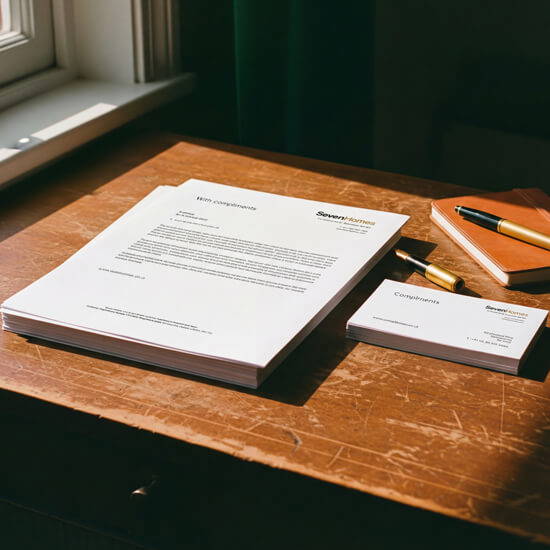




We are Nettl of Birmingham, a local design, website, ecommerce, print and marketing team based in the city centre. We help you make a real noise about your business, event or promotion!